Days Gone Survival Guide: Master Exploration, Scavenging, and Combat on the Desolate Road
Master the art of post-apocalyptic survival in Days Gone. This guide covers essential motorcycle navigation, tactical ambush combat, and the best strategies for scavenging scrap and ammo from abandoned vehicles.
Survival in the High Desert: More Than Just a Ride
In the post-apocalyptic world of Days Gone, the road is both your greatest ally and your most lethal enemy. As Deacon St. John, a drifter and bounty hunter, players are thrust into a world where resources are scarce, and danger lurks behind every rusted sedan. This guide breaks down the essential mechanics of travel, resource management, and tactical combat, as seen in the latest gameplay footage showcasing the treacherous Pacific Northwest.
Whether you are a newcomer to the Farewell Wilderness or a seasoned survivor looking to optimize your scavenging runs, understanding the rhythm of the road is vital. From the hum of your motorcycle to the click of an empty magazine, every detail matters. Let’s dive into the core strategies for surviving the broken road.
Preparation and Departure
Every successful journey begins with a solid foundation. In the early moments of our exploration (), we see the protagonist navigating a small settlement. Settlements serve as the heartbeat of the game, providing a rare sense of security where you can refuel, repair your bike, and stock up on essentials.
Pro Tip: Never leave a settlement without checking your fuel levels and the condition of your motorcycle. In Days Gone, your bike is your only way out of a bad situation. If it breaks down in the middle of Freaker territory, you’re as good as dead.
The Importance of Navigation and Planning
Once you leave the safety of the gates (), the world opens up, but so do the risks. The gameplay highlights the necessity of off-road navigation. Main roads are often clogged with the remnants of the 'Collapse'—abandoned cars, trucks, and debris that can damage your bike if hit at high speeds.
Strategic pauses are not just recommended; they are mandatory. At (), the player consults the world map. This isn't just about finding a waypoint; it’s about planning a route that avoids high-danger zones or locates potential scavenging spots.
Key Navigation Takeaways:
- Stick to the Dirt: Off-road paths can often bypass dangerous roadblocks or ambush points.
- Map Awareness: Regularly check your map to ensure you aren't heading into a dead end, which could leave you cornered by a horde.
The Danger of the Open Road: The Bridge Bottleneck
Bridges are some of the most dangerous areas in the game. At (), we see the protagonist crossing a mountain bridge filled with stalled traffic. These areas are natural bottlenecks. While they offer plenty of vehicles to scavenge, they also provide perfect cover for hostile survivors—known as Rippers or Marauders—to set up ambushes.
When approaching a bridge or a narrow pass:
- Slow Down: High speeds make you a loud target and increase the risk of crashing into debris.
- Scan the High Ground: Snipers often perch on cliffs or bridge supports.
- Listen: The sound of a bolt-action rifle or a shouted command usually precedes a bullet.
Combat Mastery: Surviving the Roadside Ambush
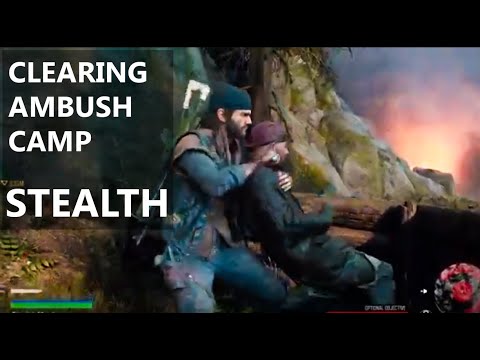
At (), the tension breaks as the protagonist is forced into a roadside ambush. This encounter demonstrates the seamless transition between vehicular travel and on-foot combat. In Days Gone, you are often outnumbered, making tactical positioning and weapon choice critical.
Firearms vs. Melee
During the encounter, the player utilizes a mix of firearms and melee combat. Firearms are effective for clearing distance, but they are loud and can attract nearby 'Freakers.' Melee combat is quieter and conserves ammunition but puts you at risk of taking damage.
Actionable Insight: Always keep a melee weapon with high durability. If you are ambushed, use your firearm to thin the herd, then switch to melee to finish off stragglers and save your precious bullets for the next fight.
The Scavenger’s Creed: Turning Scrap into Survival
Once the smoke clears (), the real work begins. Scavenging is the core loop of Days Gone. Every abandoned vehicle is a potential goldmine of supplies.
What to Search For:
- Hoods (Engine Bays): This is where you find Scrap. Scrap is the most versatile resource in the game, used for repairing your motorcycle and fixing melee weapons. In the video (), the player prioritizes searching a police vehicle.
- Trunks: Often contain crafting components, bandages, or even rare ammunition caches.
- Police Vehicles: Always prioritize these. They have a significantly higher chance of containing ammunition for your primary and secondary weapons.
Navigating Roadblocks and Final Looting
As the journey continues (), the player encounters a pickup truck and further roadblocks. This highlights the methodical nature of the game. You cannot simply rush from point A to point B. Survival requires a slow, deliberate approach to clearing obstacles and ensuring you haven't missed a single piece of cloth or a stray bullet.
At (), searching the bed of a pickup truck reveals how supplies are scattered. In the post-apocalypse, there is no such thing as 'too much' loot. If your inventory is full, consider crafting items like Molotovs or bandages to make room for more raw materials.
Conclusion: The Road Never Ends
Survival in Days Gone is a marathon, not a sprint. The gameplay footage reminds us that the journey is just as important as the destination. By mastering the art of the motorcycle, staying vigilant during navigation, and being thorough in your scavenging, you can turn a desolate road into a path for survival.
Ready to hit the road? Keep your gas tank full, your silencer equipped, and your eyes on the horizon. The wilderness isn't going to tame itself.
Final Checklist for your Next Run:
- Repair your bike to 100% at a settlement.
- Check for snipers before looting bridge traffic.
- Save your ammunition by using melee on lone hostiles.
- Always loot police cruisers for ammo refills.
For more survival guides and gameplay breakdowns, subscribe to our newsletter and never miss a beat in the apocalypse!